Design Highlights
- The FAA implemented an Interim Final Rule prohibiting non-critical helicopter operations in Potomac River airspace to enhance safety after the collision.
- Mandatory broadcasting of military aircraft locations using ADS-B Out has been enforced to improve air traffic communication and transparency.
- Helicopter operations are banned during critical runway usage at Reagan National Airport to eliminate mixed traffic and reduce collision risks.
- Permanent separation of helicopter and fixed-wing aircraft traffic is now required to prevent future incidents in the airspace near Washington D.C.
- Increased staffing and support at DCA are in place to ensure compliance with new safety regulations and protocols.
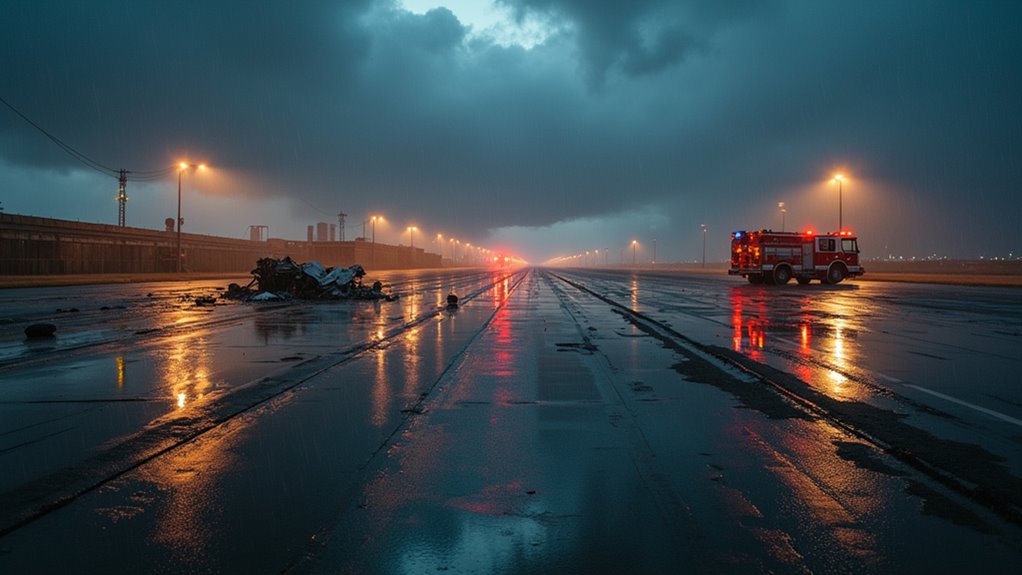
In a bold move following a harrowing incident, the FAA has finally decided to lock in new airport rules that aim to keep helicopters and airplanes from playing a dangerous game of aerial tag. It’s about time, right? The agency’s decision comes after a collision on January 29, 2025, between an American Airlines airliner and an Army Black Hawk helicopter near Reagan National Airport. The helicopter, in a stunning display of disregard for altitude limits, flew 78 feet above the allowed 200-foot ceiling. Oops. Turns out, a faulty altimeter was to blame. But let’s not forget that there were warnings about helicopter dangers for years. Eighty-five near misses in three years? That’s a lot of close calls.
FAA finally puts the brakes on helicopter and airplane collisions after a shocking near miss. It’s about time!
In the wake of the crash, the FAA took swift action. They implemented temporary measures almost immediately, closing Route 4 between Hains Point and the Wilson Bridge. Visual separation? Gone within five nautical miles of DCA. And guess what? Military aircraft now have to broadcast their locations using ADS-B Out—something they weren’t doing before. Who knew that a little transparency would go a long way? Now, all military aircraft are required to ensure their positions are communicated to air traffic control. Additionally, ongoing airport congestion has highlighted the need for improved air traffic management to prevent future incidents.
Fast forward to January 23, 2026, when the Interim Final Rule (IFR) was published. This rule prohibits helicopters and powered-lift aircraft from operating in that Potomac River airspace unless absolutely necessary. Basically, if you’re not on a critical mission, don’t even think about it. The FAA also took the NTSB’s safety recommendations to heart, which means no helicopter operations during critical runway usage at DCA. They’re serious about eliminating mixed traffic near the airport.
This isn’t just about DCA; it affects Washington Dulles and Baltimore/Washington International airports too. The rule is now set to separate helicopter and fixed-wing traffic permanently. The FAA is even beefing up support and staffing at DCA to guarantee compliance. Can you believe it? Just as businesses must maintain continuous coverage to avoid penalties, the aviation industry must now ensure uninterrupted adherence to these new safety protocols.
The new rules are effective as of January 22, 2026. They incorporate some fancy terminology like Standard Instrument Approach Procedures and Obstacle Departure Procedures, all to keep the skies safer. Say goodbye to reckless midair collisions. The FAA’s finally making a move that might just save lives. Let’s hope it sticks. After all, nobody wants to witness a repeat performance of that tragic day.