Design Highlights
- The aviation insurance market is facing overcapacity, leading to declining rates, yet rising claims create challenges for insurers’ profitability.
- Frequent and costly claims in general aviation are straining underwriting capacity, complicating the pricing adequacy for insurers.
- Hull and excess liability war rates have decreased significantly, creating negotiation difficulties and affecting policy discussions.
- The reinsurance market is experiencing rising costs due to inflation, which could lead to a market hardening by 2026.
- Technological advancements and emerging threats, such as cyber security, are reshaping the insurance landscape, necessitating strategic adaptation by insurers.
Aviation insurance is at a crucial juncture in 2025, and it’s not exactly smooth sailing. The market is awash with an abundance of capacity, thanks to new carriers and managing general underwriters enthusiastic to engage after the pandemic. This means, simply put, that rates are pretty flat or even dipping lower. Sounds good, right? Well, not so fast.
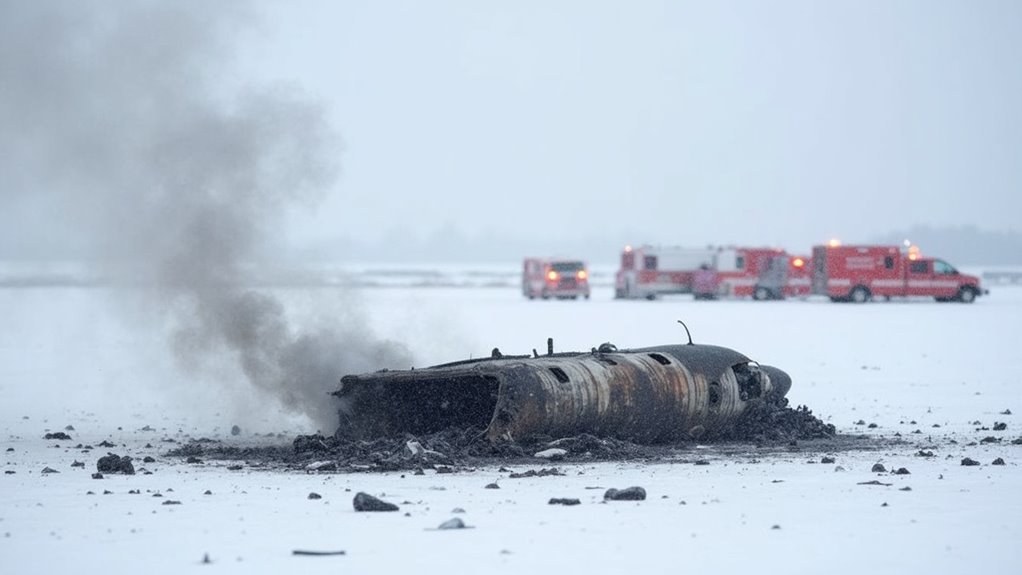
Aviation insurance in 2025 faces challenges amid rising claims and flat rates, making for a turbulent market.
While retention rates might look appealing, overcapacity is causing some serious headaches, especially in general aviation. Insurers are wrestling with rising claims, and that’s a problem nobody wants to tackle. Frequent and costly claims are popping up like weeds, challenging airline insurers left and right.
Active summer losses in general aviation have everyone raising their eyebrows about pricing adequacy. It’s a classic tug-of-war: heavy claims profiles clash with an abundance of underwriting capacity. The result? A market that’s reluctant to raise rates when they probably should. Hull war rates have plummeted by over 10%, and excess liability war rates are following suit, making it a tough time for anyone trying to negotiate.
Looking at the broader picture, the all-lines forecast for aviation insurance is teetering between -5% and +5%. Softening rates are expected to drag on through Q4 2025 and into 2026, but don’t expect a sudden shift. The landscape is dotted with competitive players trying to snag market share, leading to innovative strategies and usage-based models. New aviation insurance capacities are promoting a favorable market for buyers, further complicating the dynamics. In light of recent significant incidents like the tragic crash involving Air India Flight 171, the urgency for insurers to reassess their strategies has never been clearer.
Yes, insurers are even offering multi-year policies—because who doesn’t love a long-term commitment?
But wait, there’s more! Reinsurance costs are on the rise due to inflation and skyrocketing repair prices. The first round of 2025 reinsurance negotiations is being watched closely, and it’s a real nail-biter. Insurer costs are projected to climb in 2026, which means the market might harden. Businesses should compare quotes from multiple providers to ensure they’re getting adequate coverage at competitive rates. Good luck with that!
Meanwhile, the sector is still projected to grow—$4.71 billion in 2025 to $4.97 billion in 2026. It’s a strange contradiction, and it makes you wonder who’s really benefiting.
As new technologies like eVTOL and drones enter the fray, the insurance landscape is changing. Cyber threats and data privacy issues are at the forefront, but underwriters are adapting. The aviation insurance market is a wild ride at this crossroads, where rising claims and shifting dynamics create a perfect storm. Buckle up.