
Design Highlights
- A crane collapse on January 14, 2026, fell onto a passenger train, causing a deadly derailment and igniting a fire.
- The incident resulted in 31 fatalities, 3 missing individuals, and 64 injuries, highlighting severe chaos and injuries among survivors.
- Investigations focused on the crane’s operational safety, with scrutiny on Italian-Thai Development PLC due to a history of safety failures.
- The high-speed rail project, already plagued with delays, faced renewed calls for reevaluation of safety measures following the crane incident.
- The tragedy underscored chronic safety issues in the construction sector, prompting a need for improved oversight and accountability protocols.
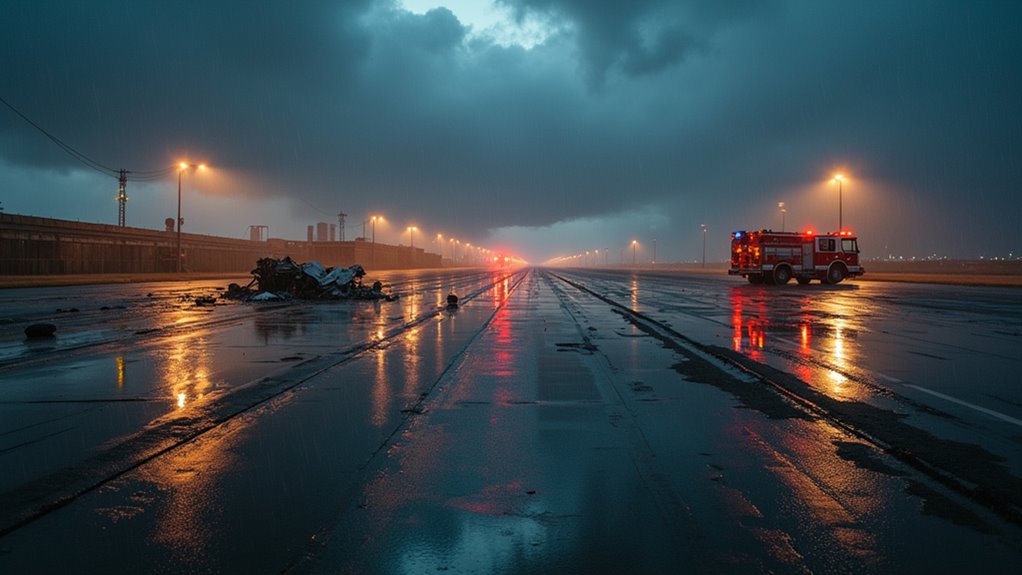
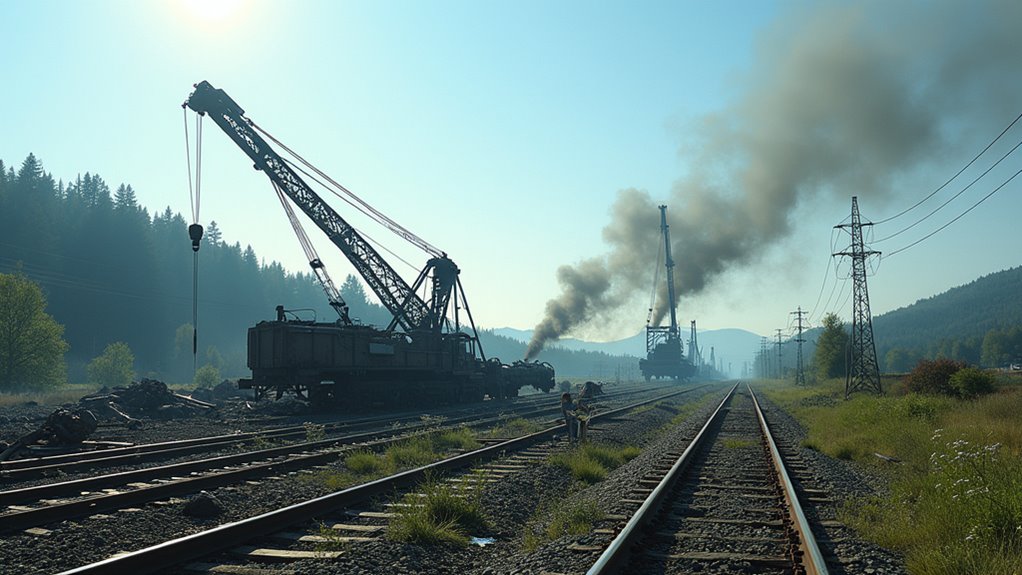
On January 14, 2026, tragedy struck in Nakhon Ratchasima when a crane, clearly not built for stability, decided to take a dive onto a moving passenger train. At around 9:10 AM, the train, which had departed Bangkok at 6:10 AM bound for Ubon Ratchathani, became an unwitting target for the falling machinery. The crane crashed onto the second carriage, derailing it and igniting a fire that would soon consume lives and dreams alike.
The toll was catastrophic. Thirty-one people confirmed dead. Three more vanished, perhaps forever lost in the wreckage. Sixty-four individuals suffered injuries, many of which were severe, a grim reminder of the day’s events. Rescue teams scrambled to sift through the debris, offering aid to survivors amidst the chaos. All this over a crane that apparently didn’t get the memo about construction safety.
A catastrophic crane collapse claimed thirty-one lives, leaving three missing and sixty-four injured, amidst the chaos of a construction nightmare.
In the aftermath, the State Railway of Thailand promptly ordered a halt to construction in the area. Investigations were initiated, targeting engineers and crane operators like they were the only culprits in this disaster. The State Railway of Thailand (SRT) suspended construction for investigation, but let’s face it – this isn’t a one-off incident. This was part of a larger, troubled saga. The construction for the high-speed rail, a project intended to connect Bangkok and Nakhon Ratchasima, had been plagued with delays and safety concerns since it began. Phase 1 spans 253 km from Bangkok to Nakhon Ratchasima, facing delays.
Italian-Thai Development PLC, the primary contractor, found itself in hot water yet again. They were also responsible for a previous building collapse in Bangkok just a year earlier. How’s that for a track record? Legal action is on the table, but will it actually lead to accountability? Or will it fade away like the memories of the victims?
The high-speed rail project itself was supposed to be a game-changer. A 253-kilometer stretch connecting major cities, all for a staggering budget of over 520 billion baht.
But now, it feels more like a deadly joke. This crane collapse isn’t just a hiccup; it’s a stark warning about the risks lurking in large-scale construction. Like families reassessing their needs after major life changes, the project now demands a complete reevaluation of safety protocols and accountability measures.
As investigators dig deeper, they’ll have to reckon with the fact that safety failures have been a chronic issue. A previous tunnel collapse in 2024 had already raised alarms. Now, with the complexity of the ongoing work, one can’t help but wonder: how many more tragedies will it take before lessons are learned?