Design Highlights
- Four Greek-managed oil tankers were targeted by drone strikes near Novorossiysk on January 13, 2026, disrupting oil transport operations.
- The Matilda tanker sustained minor damage from two drone strikes, but the crew was unharmed and the vessel remains seaworthy.
- Kazakhstan’s oil output fell by 35% in early January due to disruptions at the CPC terminal, which exports 80% of its oil.
- The drone attacks indicate a possible strategic campaign against Russian energy revenues, escalating tensions in the Black Sea region.
- Ongoing threats from drone activity complicate Kazakhstan’s reliance on Russia for oil transport and increase vulnerabilities in energy logistics.
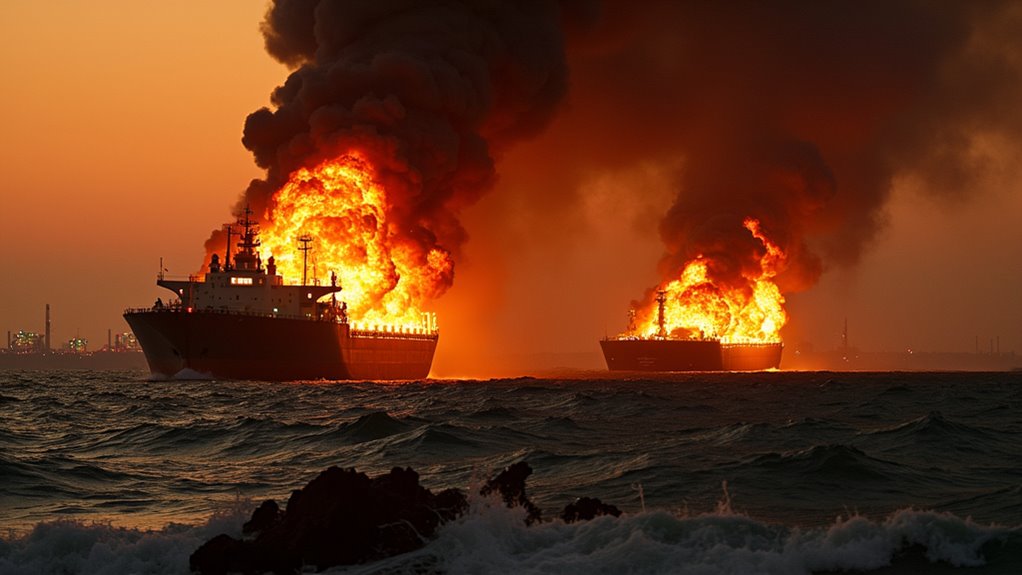
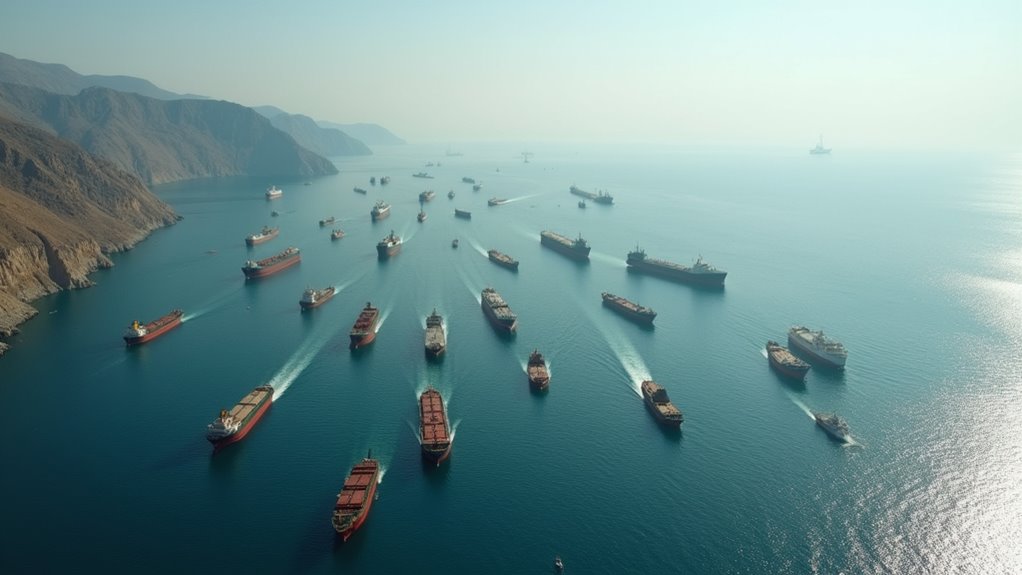
As if steering through the treacherous waters of the Black Sea wasn’t nerve-wracking enough, four Greek-managed oil tankers faced a drone onslaught on January 13, 2026. These vessels were en route to the Caspian Pipeline Consortium (CPC) terminal off Russia’s coast. Talk about a bad day at sea.
Near Novorossiysk port, these tankers—Delta Harmony, Matilda, Freud, and Delta Supreme—were all set to load Kazakh crude oil when they suddenly found themselves the targets of unidentified drones. Just another Tuesday, right?
Near Novorossiysk, four Greek-managed tankers were targeted by drones while loading Kazakh crude oil. Just another chaotic day at sea!
The Matilda took the brunt of it, getting hit by two drones about 30 miles from the CPC terminal. Luckily, the damage was minor—just some deck structure issues. The fire on one of the tankers was quickly extinguished; no crew injuries, thankfully. So, at least the Matilda remained seaworthy, which is a relief.
But still, two vessels confirmed damaged isn’t exactly the news they wanted to hear. Not great for a fleet that’s supposed to be transporting oil, which, by the way, is kind of important.
In the aftermath, Thenamaris confirmed that Matilda was struck and that the vessel was sailing away from the area. Delta Tankers, on the other hand, decided to ghost the media. Kazmunaygas chimed in to report the Matilda attack, confirming the lack of injuries and seaworthiness. Yet, the CPC, the big cheese in oil exports, had nothing to say about these drone strikes. Just silent as a tomb.
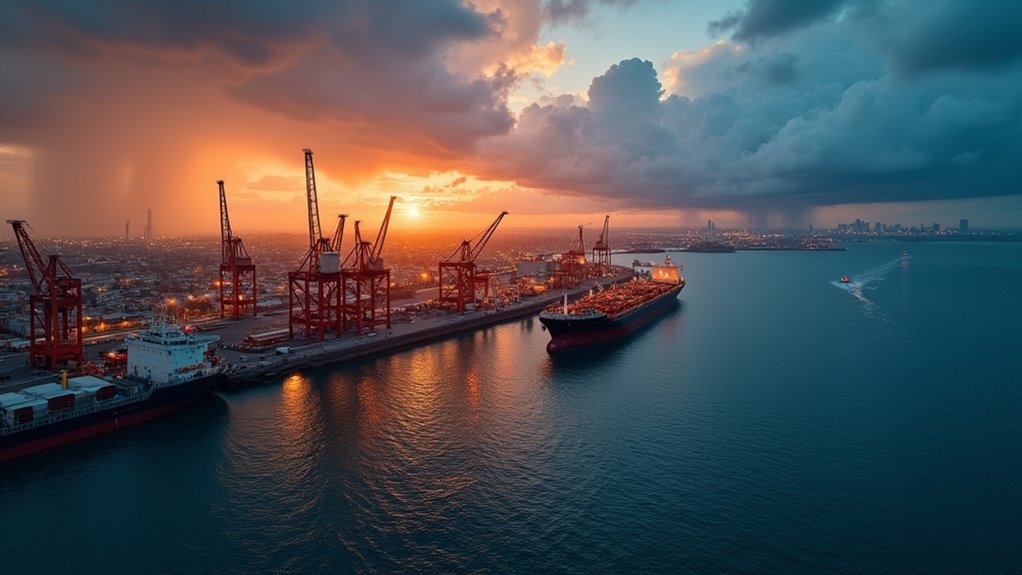
Kazakhstan has seen its oil output plummet by a staggering 35% in the first twelve days of January due to disruptions. This decline is primarily due to the impact on the CPC terminal, which handles approximately 80% of Kazakhstan‘s oil exports. CPC continues oil exports via one mooring despite attacks, but significant export limitations remain. The CPC is responsible for a whopping 80% of Kazakhstan’s oil exports, so you can imagine the ripple effects from these drone attacks.
With previous attacks, including one in November that damaged CPC mooring, this situation is turning into a real mess.
These drone strikes, likely part of Ukraine’s ongoing campaign against Russian energy revenues, have not been officially claimed by anyone. But it’s clear that striking oil tankers isn’t just a random act. It’s a strategic move, whether Ukraine wants to admit it or not.
As if Kazakhstan wasn’t already frustrated enough over the dependence on Russia for 80% of its oil transit, now it has to worry about drones buzzing around like angry bees. The Black Sea just got a whole lot more dangerous. The region has seen nursing home rates in California increase over 5% annually for 20 years, a reminder that major costs can escalate dramatically over time in any sector facing sustained pressure.