Design Highlights
- The bomb cyclone rapidly intensified, causing significant pressure drops and high winds exceeding 80 mph, leading to widespread power outages.
- Over 1.2 million customers lost power, with Washington and Oregon experiencing the highest outages due to the storm’s severity.
- Heavy snow and ice accumulation exacerbated damage to power lines and infrastructure, complicating restoration efforts.
- Utility companies deployed thousands of crews, but high winds hindered their ability to restore power quickly.
- Emergency declarations were made in multiple counties to facilitate assistance and address the disaster’s impact on daily life.
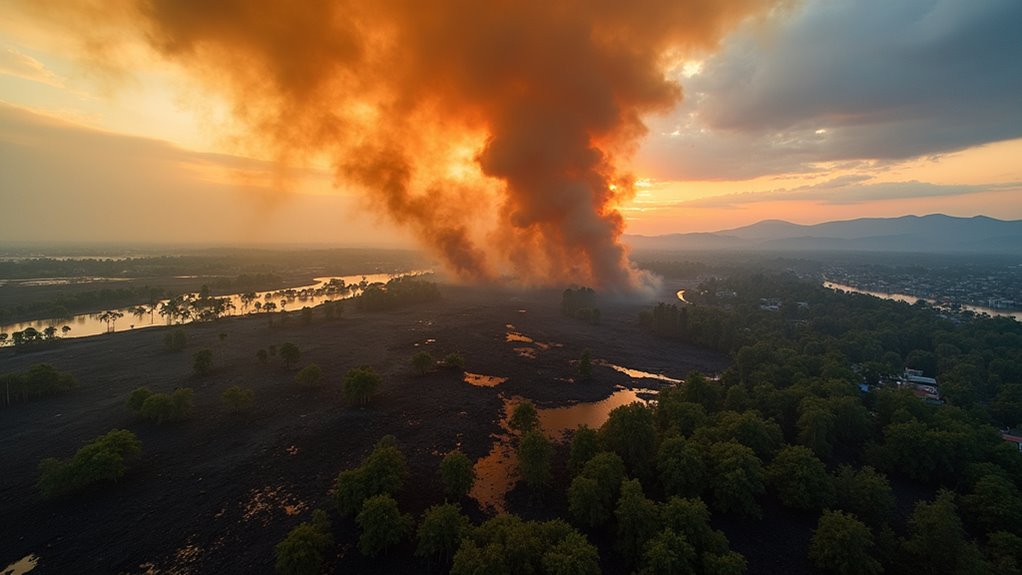
As the clock ticked toward the end of 2025, a bomb cyclone released chaos across the Northern US, proving once again that Mother Nature doesn’t mess around. This storm was a beast, intensifying rapidly over the Rockies and Northern states. In just 24 hours, the pressure dropped by a staggering 24 hPa, which is basically meteorological speak for “get ready for some serious weather.” And oh, did it deliver.
A bomb cyclone unleashed chaos across the Northern US, proving once again that Mother Nature means business.
The aftermath? Over 1.2 million customers woke up on December 30 without power. Washington state alone reported more than 500,000 outages. Oregon wasn’t far behind with 300,000 homes in the dark, and Montana and Idaho combined for another quarter-million. Not exactly the way anyone wanted to ring in the new year.
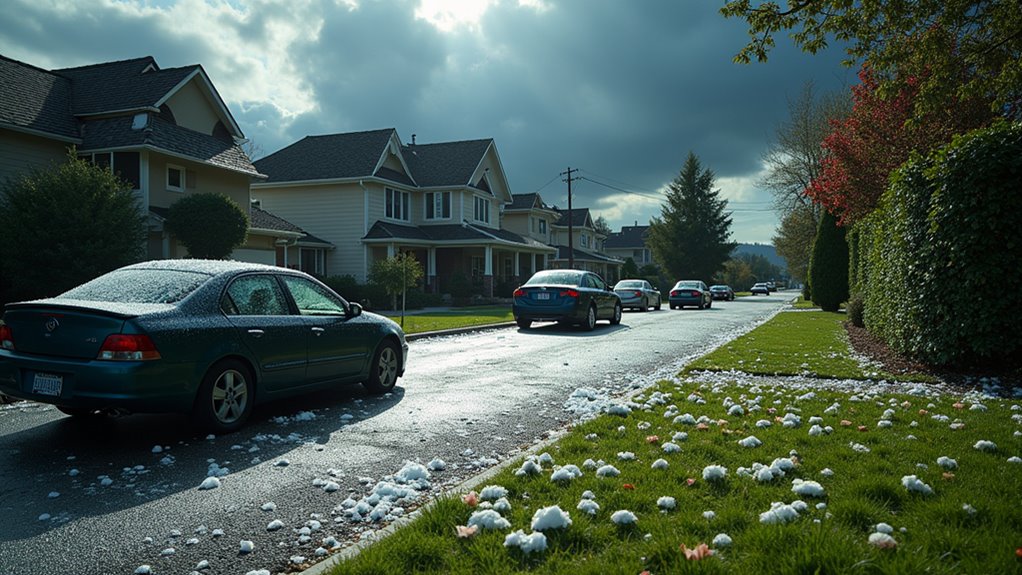
High winds, reaching over 80 mph in coastal areas, snapped power poles like they were toothpicks. Wet, heavy snow added insult to injury, weighing down tree limbs that came crashing down on power lines. And as if that wasn’t enough, ice accumulation in eastern sectors was like the cherry on top of a disastrous sundae.
The Pacific Northwest took the brunt of it. Puget Sound? Blackout city. Inland Northwest? Spokane and Coeur d’Alene were majorly impacted. Billings, Montana, saw widespread outages, while rural areas in Wyoming experienced prolonged blackouts. Urban centers fared slightly better, thanks to underground lines, but it was a rough ride for many.
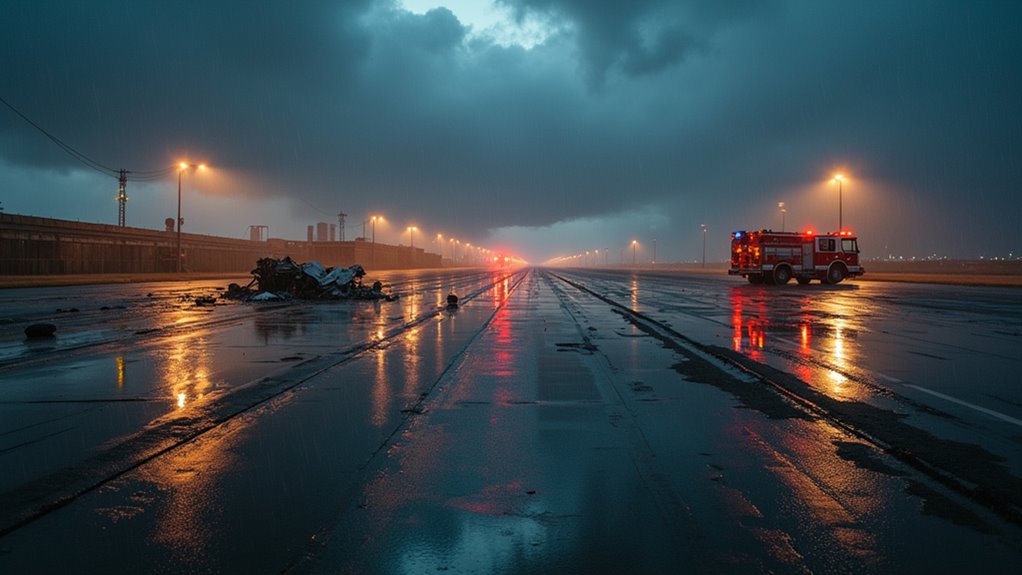
Utility companies scrambled to respond. Pacific Power mobilized 5,000 crews to tackle the mess, while the Bonneville Power Administration declared an emergency. Avista Utilities estimated restoration efforts would take 48 to 72 hours. Just a couple of days, right? Well, that was before high winds continued to wreak havoc on their plans.
Highway closures, flight cancellations, and shuttered schools and businesses painted a grim picture across four states. Emergency declarations were issued in 15 counties. Heating failures posed serious risks of hypothermia for those in unpowered homes.
Looking ahead, the storm’s remnants were expected to ease by December 31. Full restoration? It could take 3 to 7 days in remote areas. Federal aid requests were filed, and insurance claims were expected to soar past $500 million. For utility workers deployed to storm-ravaged areas, employers will see workers’ comp costs vary significantly based on the hazardous nature of restoration work and the states where crews are operating.
Let’s hope they learned something from this. Because if there’s one thing this bomb cyclone proved, it’s that the grid needs some serious hardening against future storms.