
Design Highlights
- State Farm’s venture investments now prioritize automotive and insurance technologies, with nearly 50% of the portfolio focused on auto tech solutions.
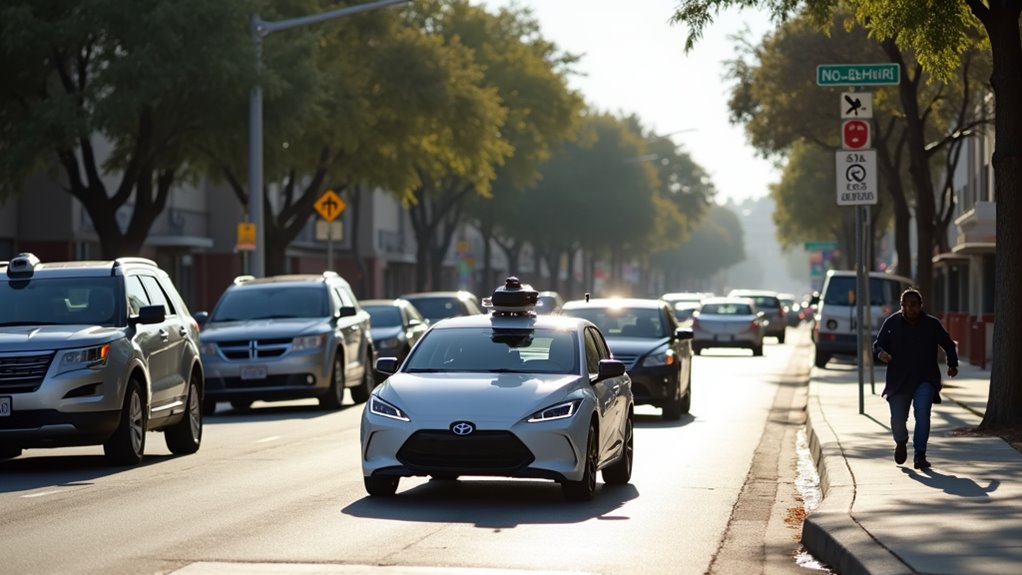
- Key investments include Nexar for data collection, May Mobility for autonomous vehicles, and companies enhancing pedestrian safety and collision avoidance.
- Data-driven insights from investments are redefining risk concepts and improving insurance pricing models, enhancing risk mitigation strategies.
- Technology integration efforts include AI-native claims platforms and identity verification solutions to combat fraud and improve operational efficiency.
- State Farm’s strategic approach aligns with industry trends toward safety, efficiency, and technology-driven transformations in the insurance landscape.
As the automotive world speeds toward a tech-driven future, State Farm is betting big on auto tech—because why not? The insurance giant has smartly pivoted its venture investments from a hodgepodge of tech to a laser focus on automotive and insurance technologies. Between 2019 and 2025, they’ve narrowed their focus so much that by 2022, nearly half of their venture portfolio was tied up in auto tech solutions. This makes sense, given that the core of their business revolves around auto insurance. If you’re in the game, you might as well play to your strengths, right?
State Farm’s investments aren’t just a shot in the dark. They’ve thrown down cash on some pretty interesting projects. Take Nexar, for instance—a crowdsourced dashcam video network that’s shaking up risk models. They’re not just collecting random footage; they’re building a digital twin of the roads. That’s some serious data collection, second only to Tesla in image volume. Emerging vehicle technologies are redefining traditional concepts of risk. State Farm Ventures participated in a funding round for Get Covered, an investment aimed at accelerating growth in insurance solutions.
State Farm is investing smartly, backing Nexar’s crowdsourced dashcam network to revolutionize risk models with serious data collection.
And then there’s May Mobility, which snagged $111 million in funding for autonomous vehicle development. It’s all about looking ahead, folks. State Farm is not just watching the future; they’re investing in it.
And let’s not forget about Owl Autonomous Imaging and PreAct Technologies. These companies are focusing on pedestrian safety and collision avoidance, respectively. State Farm’s cash isn’t just about padlocks and insurance premiums; it’s about keeping people safe on the roads. Their investment portfolio is a mix of safety, autonomous operation, and data collection. They’re shaping the future of insurance, one dollar at a time.
Of course, this isn’t just about being a good Samaritan. State Farm’s venture strategy signals a broader trend in the industry. Gone are the days of throwing darts at experimental ventures. Now, it’s all about targeted investments that align with their expertise. They want financial returns and strategic benefits that help mitigate risk and enhance customer experience. It’s a smart play, and it’s driving a transformation in how insurance adapts to new tech. Much like pet insurance premiums that increase with age and risk factors, auto insurance pricing models are becoming more sophisticated through data-driven insights.
And while they’re knee-deep in auto tech, they haven’t forgotten other vital aspects. Their investment in Proof is about identity verification to combat fraud. Plus, AI-native claims platforms like Elysian could revolutionize how claims are processed. It’s like State Farm is saying, “Hey, we’re not just an insurance company; we’re also a tech company.” Who knew insurance could be this exciting?